










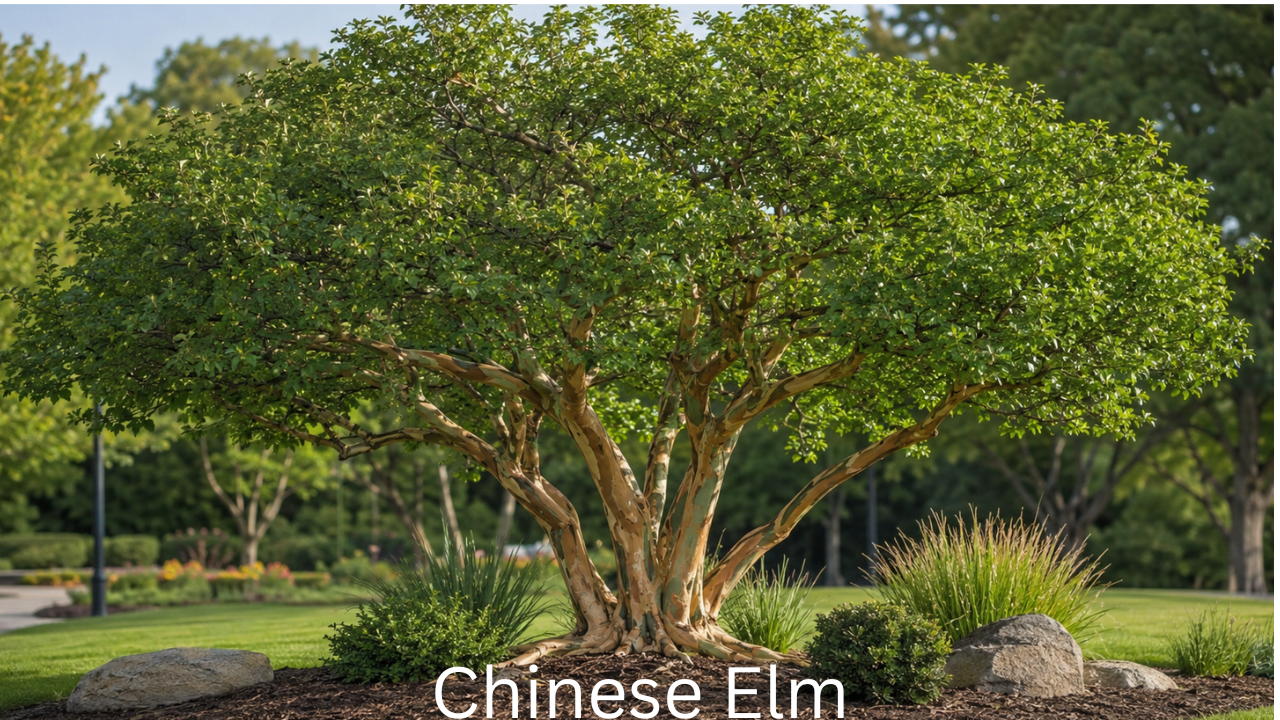
Chinese elm is one of the most popular landscape trees thanks to its elegant appearance, impressive adaptability, and relatively low maintenance requirements. Whether you’re looking for a fast-growing shade tree, a decorative specimen for your yard, or a tree suitable for bonsai, the Chinese elm offers exceptional versatility.
Known for its graceful arching branches, attractive bark, and dense canopy, this tree has become a favorite among homeowners, landscapers, and gardeners worldwide. It thrives in a wide range of climates and soil conditions, making it an excellent choice for both beginners and experienced gardeners.
In this guide, you’ll learn everything you need to know about Chinese elm, including its characteristics, benefits, planting tips, care requirements, common problems, and answers to frequently asked questions.
What Is Chinese Elm?
Chinese elm (Ulmus parvifolia) is a deciduous or semi-evergreen tree native to East Asia, including China, Korea, Japan, and Vietnam. Unlike many other elm species that have suffered heavily from Dutch elm disease, Chinese elm is highly resistant, making it a dependable choice for modern landscapes.
The tree is admired for its:
- Rounded canopy
- Fine-textured green foliage
- Beautiful exfoliating bark
- Strong disease resistance
- Excellent drought tolerance after establishment
Chinese elm is commonly planted along streets, in parks, residential gardens, and even trained as bonsai because of its flexibility and attractive growth habit.
Chinese Elm at a Glance
| Feature | Details |
|---|---|
| Scientific Name | Ulmus parvifolia |
| Common Name | Chinese Elm |
| Family | Ulmaceae |
| Mature Height | 40–60 feet |
| Mature Spread | 35–50 feet |
| Growth Rate | Moderate to Fast |
| Sunlight | Full sun |
| Soil Type | Well-drained soil |
| Water Needs | Moderate |
| USDA Hardiness Zones | 5–9 |
| Disease Resistance | Excellen |
Why Choose a Chinese Elm?
Chinese elm has earned its popularity for several good reasons.
Attractive Appearance
One of the tree’s biggest attractions is its naturally graceful shape. As it matures, the branches spread outward to form a rounded canopy that provides generous shade.
The bark becomes especially beautiful with age, peeling away in patches to reveal shades of gray, orange, green, and brown.
Fast Growth
Compared to many hardwood trees, Chinese elm grows relatively quickly. Under favorable conditions, young trees can add 1 to 3 feet of growth per year.
This makes it an excellent choice if you’re looking to establish shade in your landscape without waiting decades.
Strong Disease Resistance
Unlike American elm trees, Chinese elm shows excellent resistance to Dutch elm disease and elm leaf beetles.
Its natural resilience reduces maintenance and helps the tree stay healthy for many years.
Excellent Urban Tree
Chinese elm tolerates:
- Heat
- Air pollution
- Wind
- Drought
- Compact soil
These qualities make it a common choice for city streets and public landscapes.
Chinese Elm Leaves
The leaves are small, oval-shaped, and glossy green during spring and summer.
As temperatures cool in autumn, many varieties display beautiful shades of yellow, orange, bronze, or reddish-purple before falling.
In warmer climates, some Chinese elm trees remain semi-evergreen, keeping much of their foliage throughout winter.
Chinese Elm Bark
One feature that makes Chinese elm instantly recognizable is its bark.
As the tree matures, the outer bark naturally peels away, creating an attractive mosaic pattern of:
- Gray
- Cream
- Orange
- Olive green
- Brown
This colorful bark provides year-round visual interest, even when the tree has lost its leaves.
How to Plant Chinese Elm
Proper planting helps establish a healthy tree that can thrive for decades.
Choose the Right Location
Chinese elm grows best in:
- Full sun (at least 6 hours daily)
- Well-drained soil
- Open spaces with room to spread
Avoid planting too close to buildings or power lines because mature trees become quite large.
Planting Steps
- Dig a hole twice as wide as the root ball.
- Keep the hole no deeper than the root ball.
- Position the tree so the root flare sits at ground level.
- Fill the hole with native soil.
- Water thoroughly.
- Apply mulch around the base while keeping it away from the trunk.
Chinese Elm Care Guide
Although Chinese elm is considered low maintenance, regular care encourages healthier growth.
Watering
Young trees need regular watering during the first two years.
Once established, Chinese elm becomes drought tolerant, though occasional deep watering during dry periods is still beneficial.
Fertilizing
Most healthy landscape trees require little fertilizer.
If growth appears slow, apply a balanced slow-release fertilizer during early spring.
Avoid excessive nitrogen, which can encourage weak growth.
Mulching
A 2- to 3-inch layer of organic mulch helps:
- Retain moisture
- Reduce weeds
- Improve soil quality
- Protect roots from temperature extremes
Pruning Chinese Elm
Pruning should be done during late winter or early spring before new growth begins.
Remove:
- Dead branches
- Crossing limbs
- Weak growth
- Damaged wood
Proper pruning encourages a stronger branch structure and improves airflow throughout the canopy.
Soil Requirements
Chinese elm adapts well to many soil types, including:
- Sandy soil
- Clay soil
- Loamy soil
The most important requirement is good drainage.
Poorly drained soil may lead to root problems over time.
Sunlight Requirements
Chinese elm performs best in full sun.
While it tolerates partial shade, reduced sunlight may slow growth and produce a thinner canopy.
For the healthiest tree, choose a location with abundant sunlight throughout the day.
Common Problems
Although Chinese elm is quite resilient, it can occasionally experience issues.
Aphids
These small insects feed on new growth and may leave behind sticky honeydew.
Control methods include:
- Strong water spray
- Beneficial insects
- Insecticidal soap
Scale Insects
Scale insects attach themselves to branches and stems, weakening the tree over time.
Horticultural oil often provides effective control.
Root Rot
Poor drainage can cause root rot.
Avoid overwatering and ensure the planting site drains well.
Powdery Mildew
This fungal disease may appear in humid weather.
Proper spacing and improved airflow help reduce the risk.

Chinese Elm Growth Rate
Chinese elm grows moderately fast under ideal conditions.
Growth depends on:
- Climate
- Soil quality
- Water availability
- Sunlight
- Tree age
Most young trees establish quickly and begin providing noticeable shade within a few years.
Chinese Elm as a Bonsai
Chinese elm is one of the world’s most popular bonsai trees.
Its popularity comes from:
- Small leaves
- Flexible branches
- Strong roots
- Fast healing after pruning
- Beautiful trunk development
Both beginners and experienced bonsai enthusiasts appreciate its forgiving nature.
Benefits of Growing Chinese Elm
Planting a Chinese elm provides numerous advantages.
Some of the biggest benefits include:
- Attractive year-round appearance
- Excellent shade tree
- Strong resistance to disease
- Low maintenance
- Long lifespan
- Wildlife habitat
- Drought tolerance
- Adaptable to urban environments
- Suitable for bonsai cultivation
- Colorful bark during every season
Is Chinese Elm Right for Your Yard?
Chinese elm works well for homeowners seeking a dependable landscape tree.
It is especially suitable if you want:
- Fast shade
- Decorative bark
- Minimal maintenance
- Strong disease resistance
- Adaptability to changing weather
However, because it grows fairly large, ensure you have enough space before planting.
Frequently Asked Questions
Is Chinese elm a fast-growing tree?
Yes. Chinese elm is considered a moderate to fast-growing tree and often grows between 1 and 3 feet per year under favorable conditions.
Does Chinese elm lose its leaves?
In colder climates, Chinese elm is deciduous and loses its leaves during autumn. In warmer regions, it may remain partially evergreen.
Is Chinese elm resistant to Dutch elm disease?
Yes. One of the biggest advantages of Chinese elm is its excellent resistance to Dutch elm disease, making it much easier to maintain than many other elm species.
Can Chinese elm tolerate drought?
Yes. Once established, Chinese elm is highly drought tolerant and performs well during dry conditions with occasional deep watering.
How long does a Chinese elm live?
With proper care, a healthy Chinese elm can live for many decades and often exceeds 70 years, with some specimens living much longer.
Final Thoughts
Chinese elm is an outstanding landscape tree that combines beauty, durability, and adaptability in one package. Its graceful canopy, colorful exfoliating bark, disease resistance, and relatively low maintenance needs make it an excellent investment for homeowners, gardeners, and city planners alike.
Whether you’re planting a shade tree for your backyard or training a bonsai for your collection, Chinese elm offers lasting value and year-round appeal. By providing the right amount of sunlight, water, and occasional pruning, you can enjoy a healthy and attractive tree that enhances your outdoor space for generations.
Also Read: Kevin Von Erich Net Worth: Career, Income, Family, and Financial Journey




One thought on “Chinese Elm: The Complete Guide to Growing, Caring for, and Maintaining This Beautiful Shade Tree”
Comments are closed.