










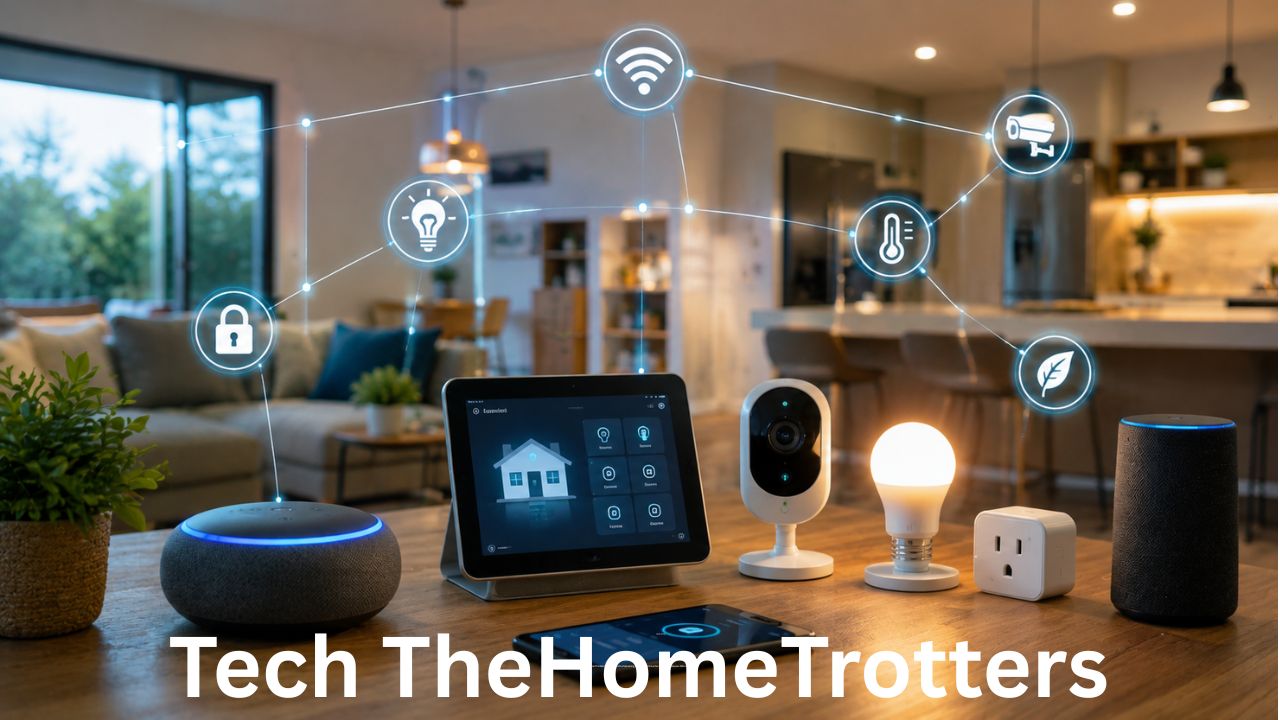
Technology is becoming a bigger part of everyday home life. From smart lighting and connected security cameras to useful apps and automated appliances, modern technology can make a home more comfortable, efficient, and easier to manage. However, choosing the right technology is not always simple. There are countless products, features, brands, and technical terms to understand.
This is where Tech TheHomeTrotters.com comes into the picture. The term is commonly used to describe the technology-focused side of TheHomeTrotters.com, with content centered around smart home devices, home automation, technology guides, reviews, and practical digital solutions.
Rather than looking at technology only from a technical perspective, the concept behind Tech TheHomeTrotters.com focuses on how technology can fit naturally into everyday living. For homeowners, renters, travelers, and technology enthusiasts, this approach can make complicated subjects easier to understand.
What Is Tech TheHomeTrotters.com?
Tech TheHomeTrotters.com is associated with the technology content of TheHomeTrotters.com. Its subject matter revolves around smart living, connected devices, home automation, gadgets, digital tools, and technology that can improve everyday routines.
The broader TheHomeTrotters platform covers lifestyle and home-related topics, while its technology-focused content explores the practical side of modern devices and digital solutions.
The main idea is straightforward: technology should solve problems rather than create unnecessary complexity.
For example, a homeowner might want to:
- Automate lights and appliances
- Improve home security
- Reduce unnecessary energy consumption
- Control devices remotely
- Understand smart home ecosystems
- Compare technology before making a purchase
- Learn how to set up connected devices
A practical technology resource can help readers understand these options without requiring an advanced technical background.
Why Smart Home Technology Matters
Smart home technology has changed the way people interact with their living spaces. Devices that once required manual operation can now be controlled through smartphones, voice commands, schedules, or automated routines.
A smart thermostat, for instance, can help manage indoor temperatures according to a household’s schedule. Smart lighting can be programmed to turn on or off automatically. Security devices can send notifications when unusual activity is detected.
The biggest advantage is not simply having more gadgets. It is creating a home where technology works quietly in the background.
Convenience
Convenience is one of the strongest reasons people adopt smart devices.
Instead of walking around the house to adjust different devices, users can often control multiple functions through a smartphone or centralized system.
Common examples include:
- Adjusting lights from a phone
- Controlling compatible appliances remotely
- Creating automated schedules
- Managing entertainment systems
- Checking connected security devices
- Using voice assistants for simple commands
When properly configured, these features can reduce repetitive tasks.
Energy Efficiency
Technology can also play a role in responsible energy use. Smart thermostats, plugs, lighting systems, and energy-monitoring devices can provide information about how electricity is being consumed.
This information can help homeowners identify habits that may be wasting energy.
However, smart technology should not automatically be considered a guarantee of lower bills. Results depend on the devices selected, how they are configured, household behavior, and local energy costs.
Key Areas Covered by Tech TheHomeTrotters.com
The technology-focused content associated with TheHomeTrotters covers several areas that are useful for people interested in modern living.
| Technology Area | What Readers Can Learn |
|---|---|
| Smart Home | Connected devices, automation, and home control |
| Gadgets | Features, practical uses, and buying considerations |
| Home Security | Cameras, locks, sensors, and digital security |
| Energy Technology | Monitoring, efficiency, and smart controls |
| Software & Apps | Useful digital tools and practical applications |
| Technology Guides | Setup, troubleshooting, and how-to information |
| Emerging Tech | New developments and changing technology trends |
This broad range makes the topic useful for both beginners and experienced users.
Smart Home Devices Worth Understanding
Not every smart device is necessary for every household. The best approach is to start with a specific problem and then choose technology that addresses it.
Smart Lighting
Smart bulbs and switches can provide greater control over household lighting. Depending on the product, users may be able to create schedules, adjust brightness, or control lights remotely.
Some systems also allow different lighting scenes for activities such as reading, working, relaxing, or entertaining.
Smart Security
Security technology has become another important part of connected homes.
Depending on the system, homeowners can consider:
- Video doorbells
- Security cameras
- Smart locks
- Motion sensors
- Window and door sensors
- Alarm systems
The important thing is to evaluate privacy, reliability, installation requirements, and compatibility before purchasing.
Smart Thermostats
Smart thermostats can automatically adjust heating or cooling based on schedules and user preferences. Some systems can learn household patterns and provide energy-related information.
For homeowners who regularly forget to adjust the thermostat, automation can be particularly useful.
Smart Plugs
Smart plugs are often one of the easiest ways to experiment with home automation. They can allow compatible appliances to be switched on or off remotely or according to a schedule.
They are also relatively simple compared with more complex home automation installations.

How to Choose the Right Smart Technology
Buying technology simply because it is new can quickly become expensive. A better strategy is to identify what you actually want to improve.
Start by asking yourself:
- What problem am I trying to solve?
- Will the device save time or improve convenience?
- Does it work with my existing devices?
- Is the setup process manageable?
- What happens if the internet connection goes down?
- Does the manufacturer provide regular software updates?
- Are privacy and security features adequate?
- Is the product worth its total cost?
Compatibility deserves particular attention. A collection of devices from unrelated ecosystems can become frustrating if they cannot communicate properly.
The Importance of Device Compatibility
Smart home technology works best when different products can cooperate.
Before buying a device, check which platforms and standards it supports. Depending on the product, compatibility may involve ecosystems such as Apple Home, Google Home, Amazon Alexa, Matter, Zigbee, or other technologies.
The exact compatibility requirements vary from one product to another.
A useful rule is to avoid building a smart home randomly. Instead, choose an ecosystem or connectivity approach that fits your existing devices and future plans.
This can make expansion easier later.
Technology and Home Security
Connected technology can improve visibility and control, but it also introduces new security considerations.
A smart camera or lock is connected to a network, which means cybersecurity should be part of the purchasing decision.
Homeowners should consider basic practices such as:
- Using strong, unique passwords
- Enabling multi-factor authentication when available
- Keeping device firmware updated
- Securing the home Wi-Fi network
- Removing old devices that are no longer used
- Reviewing privacy and data-sharing settings
Security should not be treated as an optional feature after installation. It should be considered before purchasing and configuring connected devices.
How Technology Can Improve Everyday Routines
The real value of smart technology often appears through automation.
Imagine waking up and having selected lights gradually turn on. Your thermostat adjusts to a comfortable temperature while your coffee machine operates on a schedule. Later, lights automatically switch off when everyone leaves the house.
These individual actions may seem small, but together they can create a smoother daily routine.
Technology can also help with specific situations.
For example, a homeowner could create a “leaving home” routine that turns off selected lights, adjusts the thermostat, and activates compatible security equipment.
The goal is not to automate everything. The goal is to automate the tasks where automation actually provides value.
Pros and Cons of Smart Home Technology
Like any technology, connected home systems have advantages and disadvantages.
Advantages
- Greater convenience
- Remote device control
- Automated routines
- Potentially better energy awareness
- Improved visibility around the home
- Easy access to information
- Increasingly broad device compatibility
Potential Disadvantages
- Initial purchase costs
- Setup can sometimes be complicated
- Devices may depend on internet connectivity
- Privacy concerns
- Compatibility problems
- Software support may eventually end
- Too many devices can make a system difficult to manage
Understanding both sides helps consumers make more realistic decisions.
Tips for Building a Smart Home on a Budget
You do not need to transform your entire home at once.
Start small and expand gradually.
A practical approach is to choose one area, such as lighting or security. Once you understand how the system works, you can add additional devices.
Consider these tips:
- Start with one or two useful devices.
- Choose products that can work with your preferred ecosystem.
- Compare long-term costs rather than only the purchase price.
- Avoid buying features you will never use.
- Check software-update policies.
- Read independent reviews before purchasing.
- Keep your network secure.
- Expand only when a new device solves a genuine problem.
This approach can prevent a smart home from becoming an expensive collection of gadgets that rarely get used.
What Makes Technology Guides Useful?
Good technology content should do more than list specifications.
Specifications can tell you how much storage a device has or which connectivity standard it supports, but they do not necessarily explain whether the product is useful in everyday life.
A helpful guide should answer practical questions:
Who is the product for?
A device designed for advanced users may not be suitable for someone who wants simple setup.
What problem does it solve?
A long list of features is less important if those features do not address a real need.
What are the limitations?
Readers should know about compatibility issues, subscriptions, installation requirements, or other potential drawbacks.
Is it worth the money?
Value depends on the buyer, budget, and intended use rather than specifications alone.
This practical perspective is one reason technology-focused home content can be valuable to everyday readers.
The Future of Smart Home Technology
Smart home technology continues to evolve. Devices are becoming more interconnected, while automation is becoming easier for ordinary users.
Artificial intelligence is also influencing how people interact with technology. Instead of manually creating every rule, future systems may become better at understanding patterns and making useful suggestions.
Interoperability is another important development. Standards designed to improve compatibility between different manufacturers can make it easier for consumers to combine products without being locked into one brand.
The future of smart homes is therefore likely to focus less on individual gadgets and more on connected systems that work together.
That does not mean every household needs advanced automation. Simplicity will remain important. The most useful technology will be technology that saves effort without demanding constant attention.

Is Tech TheHomeTrotters.com Useful for Beginners?
Yes, the subject is particularly relevant to beginners because smart home technology can initially feel confusing.
There are dozens of device categories, connectivity options, ecosystems, and technical specifications. A well-organized guide can help users understand the basics before spending money.
Beginners should focus on learning the fundamentals first:
- What is a smart device?
- How does it connect?
- Which ecosystem should be used?
- Does it require a subscription?
- What information does it collect?
- What happens when the internet is unavailable?
- How will the device be maintained?
Once these questions are clear, choosing products becomes much easier.
Frequently Asked Questions
What is Tech TheHomeTrotters.com?
Tech TheHomeTrotters.com generally refers to the technology-focused content associated with TheHomeTrotters.com. It covers subjects such as smart home technology, connected devices, gadgets, automation, and practical technology guides.
What type of technology can homeowners learn about?
Readers can explore topics involving smart lighting, security devices, connected appliances, home automation, energy technology, apps, gadgets, and emerging technologies.
Is smart home technology difficult to install?
It depends on the device. Some products, such as smart plugs and certain bulbs, can be installed quickly. More advanced systems involving wiring, security equipment, or multiple devices may require additional knowledge or professional installation.
Can smart technology reduce energy use?
Some smart devices can help users monitor and manage energy consumption. However, actual savings depend on the equipment, settings, household behavior, and other factors.
Is smart home technology secure?
Connected devices can be secure when properly configured, but no internet-connected system should be treated as automatically risk-free. Strong passwords, multi-factor authentication, software updates, and secure networking are important.
Should I make my whole home smart at once?
Usually, there is no need. Starting with a small number of useful devices allows you to learn the system and determine which technologies genuinely improve your daily routine.
Final Thoughts
Tech TheHomeTrotters.com represents an interesting intersection between technology and everyday home life. Instead of treating technology as something reserved for enthusiasts, its subject matter focuses on practical ways connected devices, automation, gadgets, and digital tools can fit into normal routines.
The smartest approach is not to buy the most expensive or advanced equipment. It is to identify genuine needs and choose technology that solves them reliably.
Whether you are interested in smart security, automated lighting, energy management, connected appliances, or simply learning more about modern gadgets, practical technology guides can make the process easier.
As smart home technology continues to develop, the most valuable solutions will likely be those that are simple to use, secure, compatible, and genuinely helpful. That is the standard homeowners should keep in mind when exploring the growing world of connected living.
Also Read: Dan and Shay Tragedy: The Real Story Behind the Rumors and Their Journey




One thought on “Tech TheHomeTrotters.com: A Practical Guide to Smart Home Technology and Digital Living”
Comments are closed.